
"In a global analysis of 2,400 companies conducted by Credit Suisse, organizations with at least one female board member yielded higher return on equity and higher net income growth than those that did not have any women on the board." Harvard Business Review.
Today we celebrate the International Day of Woman and Girls in Science, and we want you to meet 5 amazing women that are reshaping the STEM community by breaking standards, designing new possibilities, and working to change the world through science!
Read below their personal experience and path in making an impact in the STEM community:
Diana Ma, Data Scientist for Los Angeles Lakers 🏀

“When I started undergrad I wanted to become a doctor. One of the pre-med requirements was a stats course which I begrudgingly took, but something clicked and I ended up really liking it. I realized, ‘Oh, I can use this to solve basketball problems!’ I switched over my major, but at that time I didn’t know I could do basketball analytics as a career and figured I’d just do it in my free time.
I did a Master's in applied statistics at NYU. While I was there, the director of analytics for the NBA gave a talk, and I was like, ‘Whoa, this job exists?’ My mind was blown. Afterward, he told me about the Pacers analytics summer internship and said I should apply. I ended up getting it and it was a dream come true. It was my foot in the door to get the position at the Lakers where I am now.
There are only a handful of women working in basketball statistics and we desperately need more — the best way to get involved is to use publicly available data to solve a sports problem you’re interested in and try to attend sports conferences to build a network. You could even get hired based on some visualization you post on NBA analytics Twitter! There’s no fixed formula to work in sports analytics — the only necessary ingredient is to always be curious."
M’benda N’dour, Full Stack Software Developer 💻
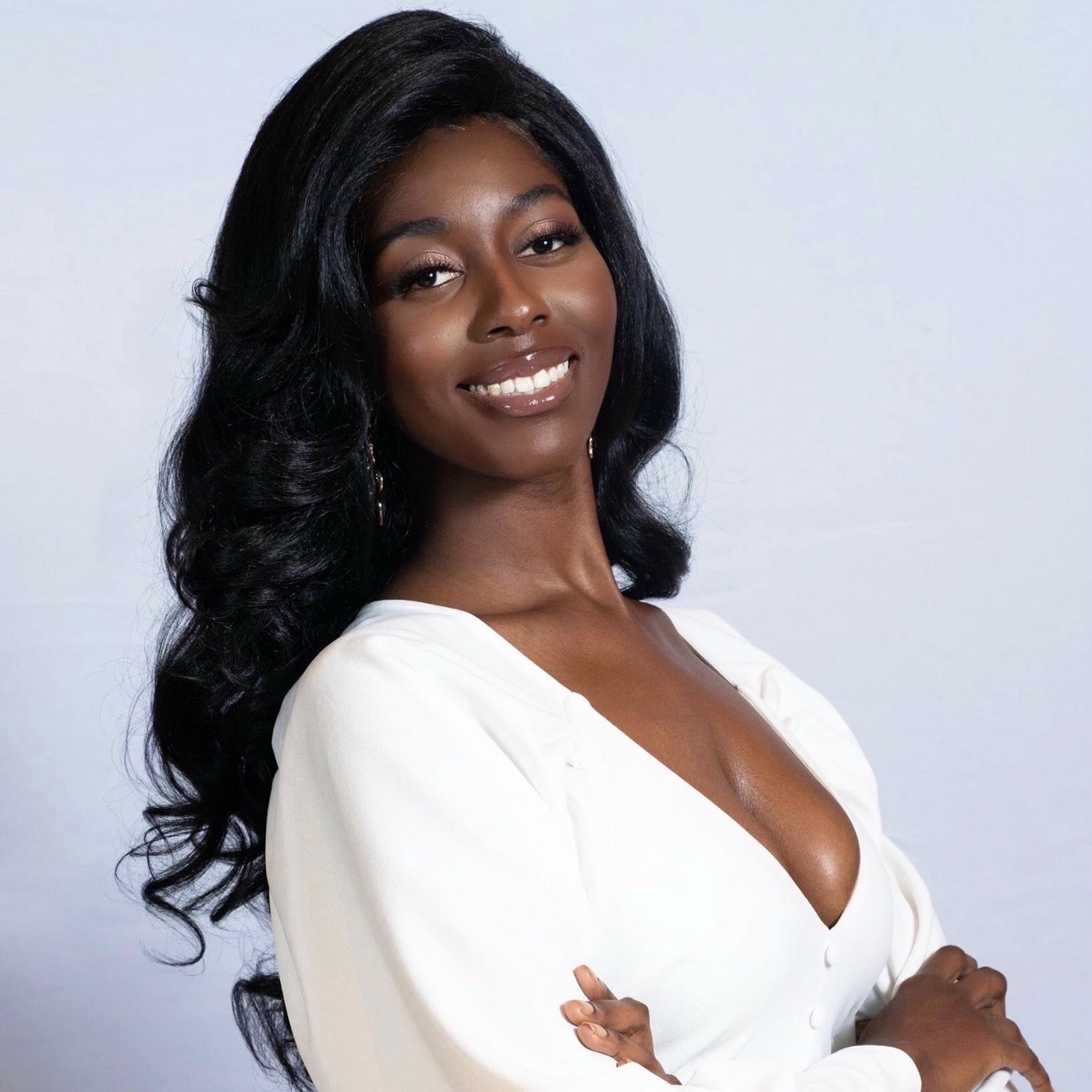
“I am a child of Senegalese immigrants and one of 18 children. My brother and I would do math problems or silly puzzles, so that’s where my love of STEM really came from. Solving math problems today brings me back to those fun childhood memories. Making sure I kept my eye on the prize and sticking up for myself, saying yes when I knew the answer — those things helped me get to my goals. I want to tell people to always speak with their chest, go into a room, and take the lead role — every single time. Beauty pageantry gives me a bigger platform, too, and it shows women that you can have it all. My career in STEM is my top priority because making sure I’m on top of it with my career will strengthen other parts of me. It strengthens my pageantry because my platform is getting more women into STEM. It trickles down into my personal life because I can bond with my nephew and my brother, who are learning to program. My ultimate goal is to help bring people into the position that I’m in. I am trying to start an organization to teach people how to code for free. A lot of times, it’s not about a lack of interest but a lack of resources. I would like to get women coding in underdeveloped countries.”
Paula Strunden, Virtual Reality - Architecture Design 📐☁️
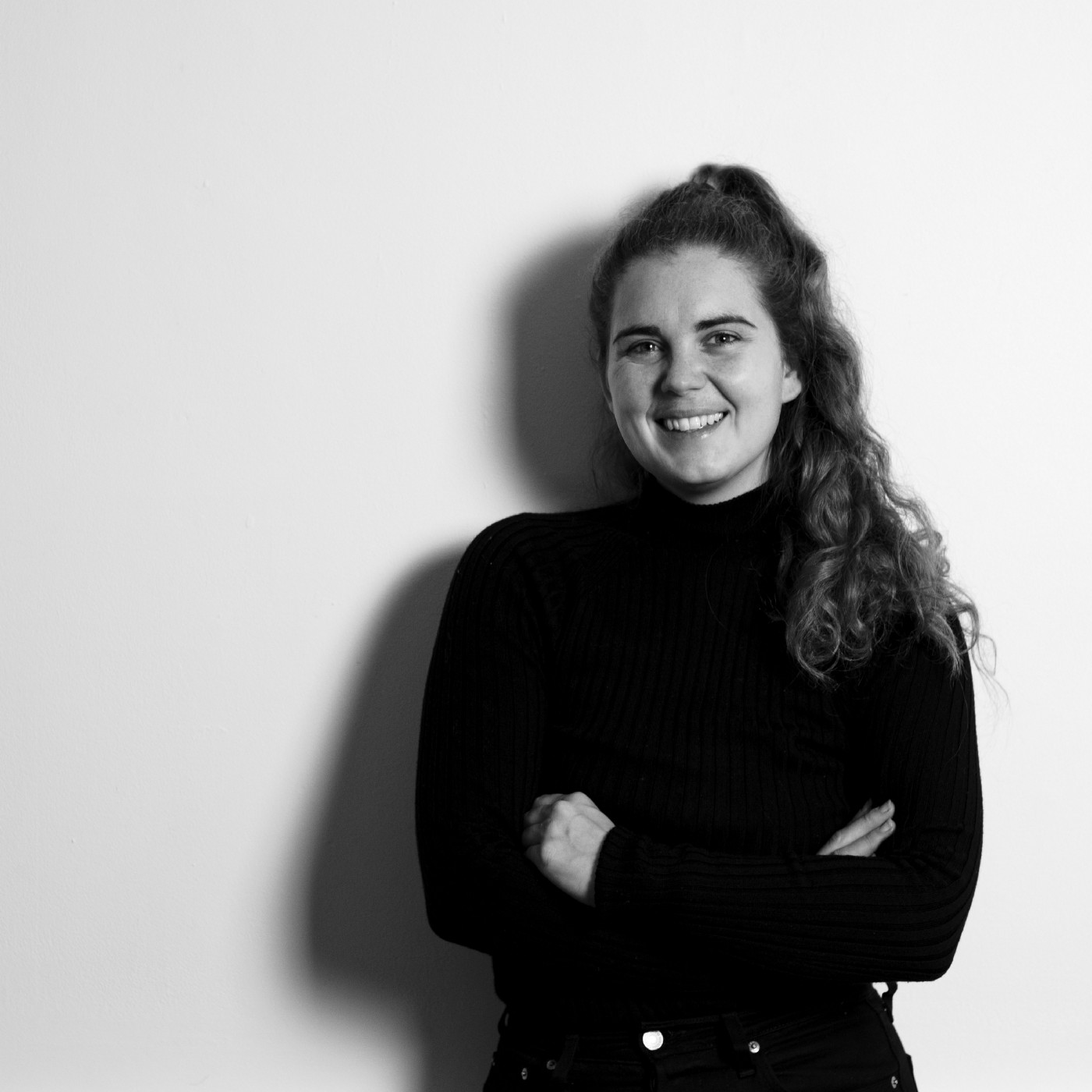
“I started working with virtual reality (VR) in 2015 during my architecture undergrad when it was still super new. During an internship in an architecture firm, I took on VR visualizations. I quickly noticed this was a very powerful tool — it became easier to convince clients and made the decision processes more intuitive, more embodied. These early impressions ultimately shaped my first mixed reality (MR) work, Micro-Utopia. Since 2017 I’ve been building installations that include VR but add on sounds, movements, and physical objects from the ‘real world’ — they have a weight, a smell, a texture to them. For instance, in Micro-Utopia I create a multitude of experiences, all based in a small room. When you sit on the chair, you actually sit in a vast library. When you lie down in bed, you float on a cloud. And when you mount the stairs, you’re on Escher’s infinite Penrose stairs — utopian structures and spaces that can’t be built, can’t exist in ‘real-life.’ In one of my experiments, the visitor could carry around a window through which eventually they would see their kid or partner. Some people started crying because it felt so intense to not only see but touch somebody in what you thought was your isolated VR world — to see the virtual mix with the physical reality. I want to study to better understand our multimodal perception of reality, and our relation to physical objects. Like babies that put everything into their mouth, I believe helps us re-discover the phenomenon of reality."
Roshena MacPherson, Ground Software Lead 🚀

“I joined Astranis two years ago as employee number eight. We design, build and fly small Geostationary satellites to provide internet to the 4 billion people in the world who don’t have access to it. It’s been really cool being a part of it from the very beginning, when there was literally no code for our current project. I didn’t expect that two years later I would be lead for the Guidance, Navigation, and Control team of a satellite company! My day-to-day involves mostly technical advising, risk management, and scheduling to make sure we’re on track for our launch date, plus some algorithm design and analysis when I get the time. The amount of responsibility and ownership new grads can have is huge! It’s amazing how fast you can learn in an environment like that. I remember launching our first demo satellite in Alaska and I was at home in my pajamas trying to debug my control algorithm in real-time in the 14 minutes you get as it passes over the ground station. Now we’re preparing for the launch of our first commercial vehicle in about a year, which will provide internet service to the state of Alaska. Practice and asking questions can get you really, really far. I started at Astranis nervous that I didn’t have the “intuition” that other more senior engineers had. Turns out, asking for help and getting real hands-on experience is what it takes to build that intuition. Commit to getting better at something, and ask tons of questions along the way!”
Almicia Dunson, Software Engineer at Microsoft 💻
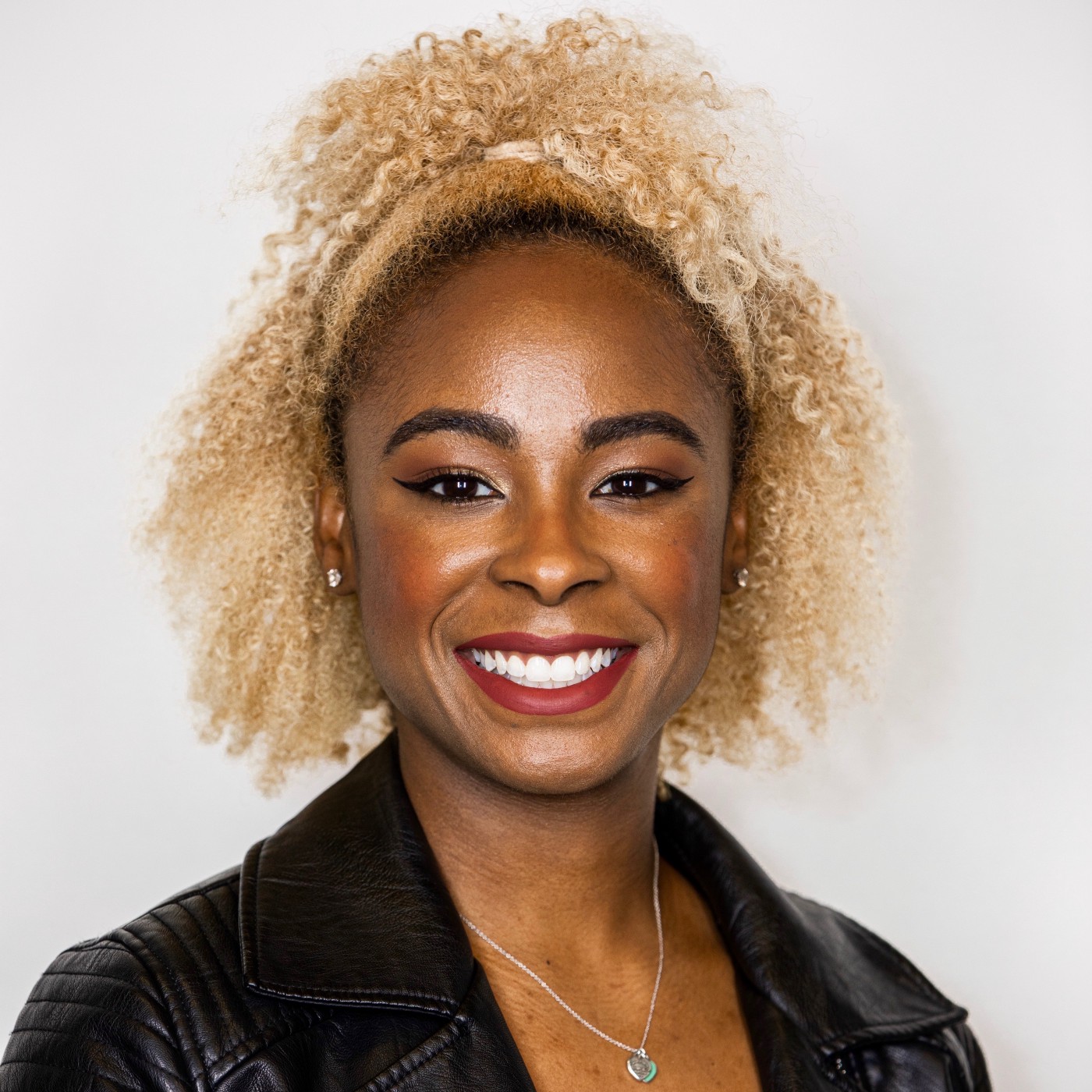
“The algorithms behind a lot of everyday products are biased towards white men. The faucets in public bathrooms often won’t recognize my hands because they’re darker than what they tested the tech with. Most algorithms don’t favor women or people of color. If you search ‘beautiful women’ it’s mostly white women. Google has the ability to fix this — when people started pointing it out, it got better. But small things like that can deeply affect young people and what they identify with. That’s why I’m passionate about my YouTube channel, where I give tech and coding tutorials. Since Google also owns YouTube, the tech algorithm disparity is there, too; when you search ‘software engineer,’ you won’t find any women. It’s full of white and Asian men. The Black women are buried. I’ve met more Black software engineers on Instagram and Twitter than I have through YouTube search results. With my channel, I wanted to say, ‘Hey, we do this too.’ People message me saying they’re glad they’ve found my channel because they can relate to my struggle, or saying that my videos have inspired them to go into computer science — that’s what I’m most proud of. It’s hard to imagine what you can be if you can’t see it, and I like being that for people.”
From inclusion to innovation, these are the day-to-day stories that inspire our generation, can you relate to any of these stories? Do you feel passionate about science and changing the world? We feel proud to be educating the great girls and women of tomorrow's STEM industry in software development and machine learning.
You can get to know more about the stories of our women graduates on our websiteclick here and YouTube channel click here. If you feel inspired by them, remember you could become a tech professional too, it only takes a quick look into our 4Geeks Academy programs.
Looking for a clear plan and job support? The coding bootcamp comparison shows what each 4Geeks program includes.